
Nature in the Westfjords
The Westfjords are shaped by steep mountains, long fjords, waterfalls, beaches, cliffs, geothermal areas and a varied coastline.
The region is also home to important birdlife and wildlife, including puffins, white tailed eagles, seals and Arctic foxes.
Use the categories below to explore natural highlights, wildlife, waterfalls, beaches and cliffs, and geothermal pools throughout the Westfjords.
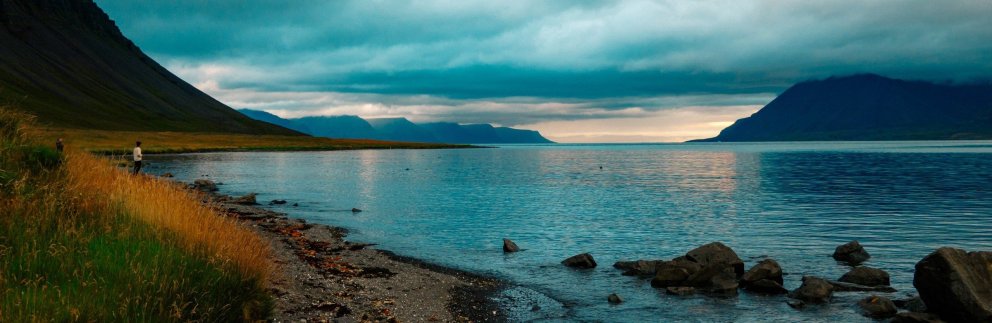
Natural Highlights in the Westfjords | Visit Westfjords
The Westfjords are shaped by long fjords, high mountains, waterfalls, beaches, islands and remote coastal landscapes.
This collection brings together some of the region's best known natural places, from Dynjandi and Látrabjarg to Hornstrandir, Rauðasandur, Vigur and Bolafjall.
Use the listings below to explore natural highlights throughout the Westfjords and find practical information for planning your visit.
Get to know more
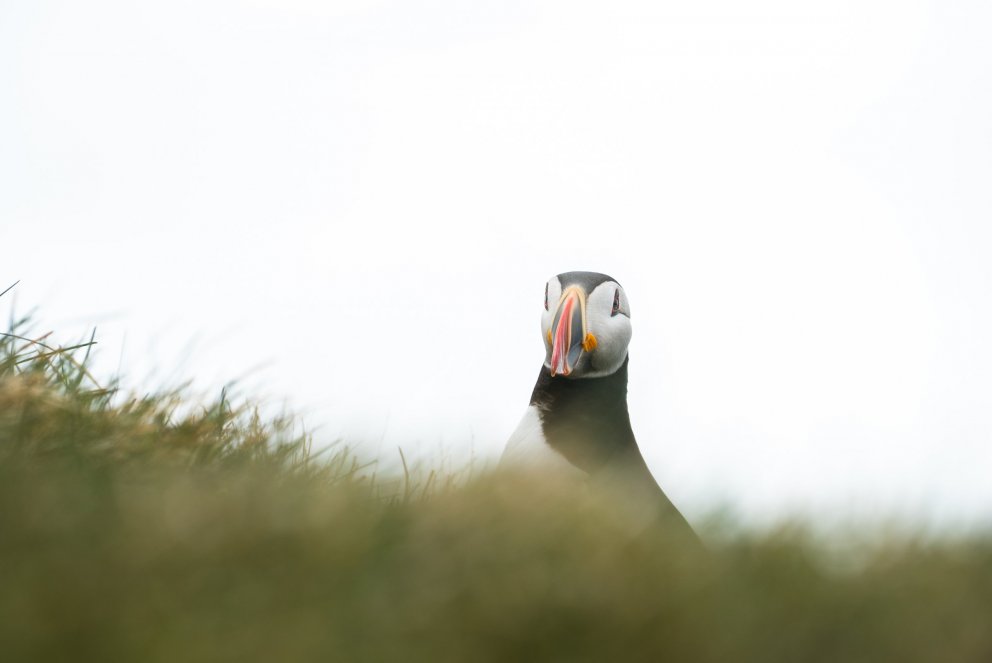
Wildlife
Wildlife in the Westfjords is closely tied to the region's long coastline, bird cliffs, islands and remote landscapes.
Visitors may encounter Arctic foxes, seals, whales and a wide variety of seabirds and other birdlife. Some species are present throughout the year, while others are seasonal.
Hornstrandir is especially known for Arctic foxes, Látrabjarg for nesting seabirds, and coastal areas throughout the region for seals and marine wildlife.
Use the listings below to explore wildlife in the Westfjords and find places and tours connected to nature and animal life.
Get to know more
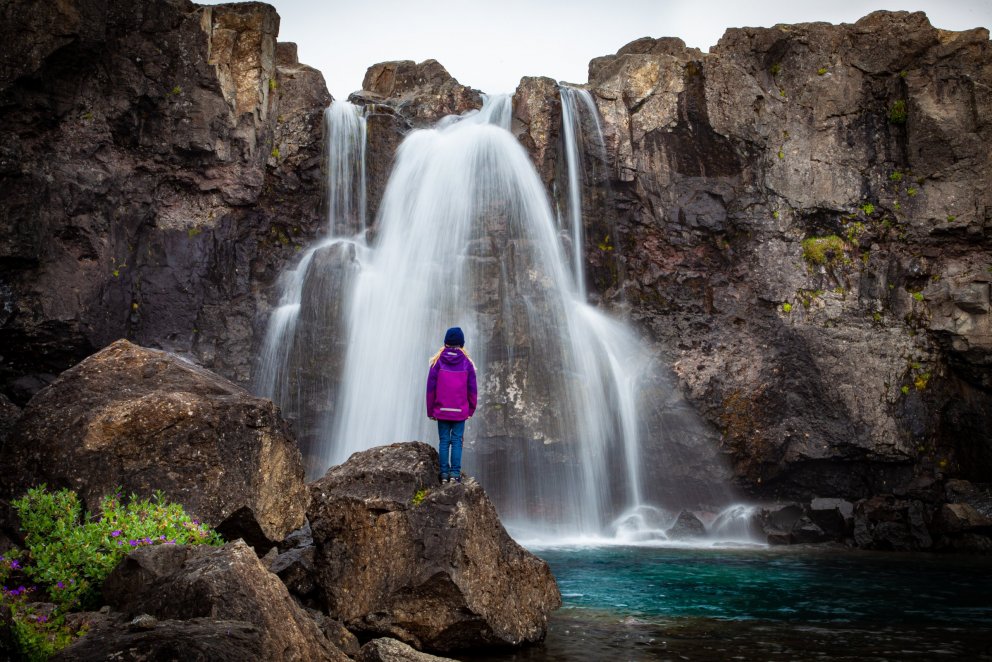
Waterfalls in the Westfjords | Visit Westfjords
Waterfalls are found throughout the Westfjords, from large well known falls to smaller cascades beside roads, valleys and hiking routes.
Dynjandi is the best known waterfall in the region, but many others can be found across the Westfjords, often in places that are easy to combine with a longer journey.
Use the listings below to explore waterfalls in the Westfjords and find practical information for visiting them.
Get to know more
Rauðasandur
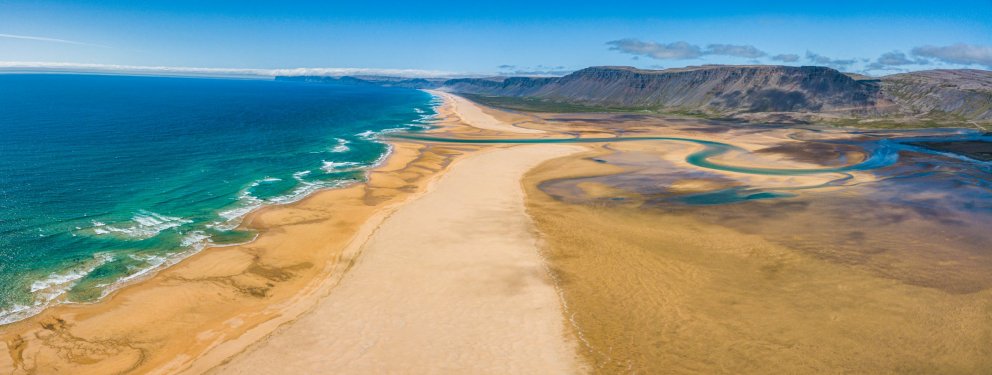
Beaches and Cliffs in the Westfjords | Visit Westfjords
Beaches and sea cliffs are a major part of the Westfjords coastline, ranging from broad sandy beaches to steep bird cliffs and rocky headlands.
Rauðasandur and Látrabjarg are among the best known locations, but beaches, coves and cliffs can be found throughout the region.
Use the listings below to explore beaches and cliffs in the Westfjords and find practical information for visiting them.
Get to know more
Laugarneslaug

Geothermal Pools in the Westfjords | Visit Westfjords
Take a Dip in the Westfjords
Swimming and geothermal bathing are part of everyday life in Iceland, and the Westfjords offer plenty of opportunities to experience both.
Visitors can choose between fully serviced swimming pools in towns and villages, geothermal baths, and simple natural hot pools in rural and coastal locations. Some have changing rooms, showers and other facilities, while others are little more than a warm pool beside the road or shoreline.
Swimming pools
Public swimming pools can be found in many communities throughout the Westfjords. They usually include heated outdoor pools, hot tubs and changing facilities, and some also have saunas, cold tubs or children’s areas.
Swimming pools are used by locals throughout the year and are a good option in every season.
Natural hot pools
The Westfjords are also known for geothermal hot pools in more remote settings. These range from maintained pools with changing facilities to simple natural bathing spots with few or no services.
Examples include Hellulaug in Vatnsfjörður, Pollurinn near Tálknafjörður, the Drangsnes hot pots and geothermal pools in Reykjarfjörður and Heydalur. Facilities, temperatures and access vary considerably between locations.
Before you bathe
Check the individual listing before travelling, especially if you need changing rooms, toilets or other facilities. Natural pools are often unsupervised, and visitors are responsible for their own safety.
Respect local rules, keep the area clean and avoid using soaps or other products in natural pools unless specifically permitted.
Use the listings below to find swimming pools, geothermal baths and natural hot pools throughout the Westfjords.
Get to know more